We work right across County Dublin, from city-centre restaurants and offices to the suburbs and the coastal towns of Fingal and south Dublin.
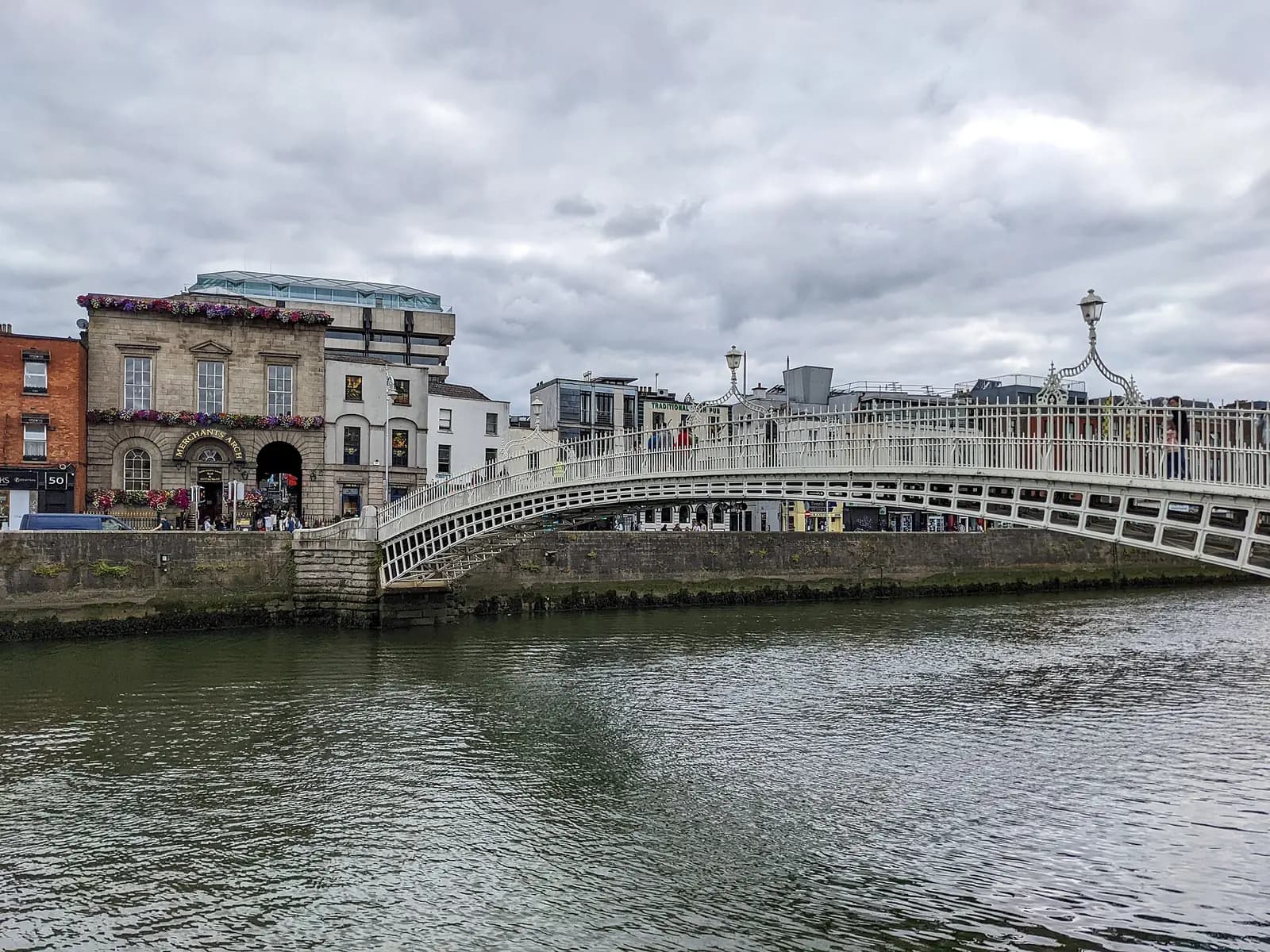
Dublin’s pest problems follow its geography. The Liffey, the Dodder, the Tolka and the Royal and Grand Canals give rats long, sheltered corridors through the city. Apartment blocks with shared service ducts let cockroaches and mice move between units. Along the coast from Balbriggan to Dún Laoghaire, gulls and pigeons nest on roofs, ledges and solar panels.
Towns we cover in Dublin
- Swords Fingal’s county town, beside Dublin Airport.K67
- Blanchardstown West Dublin’s D15 hub, from the shopping centre to the business parks.D15
- Tallaght South Dublin’s largest town, from The Square to the foothills.D24
- Lucan Riverside village and suburbs where the Griffeen meets the Liffey.K78
- Clondalkin Round-tower village surrounded by D22’s business estates.D22
- Dún Laoghaire Harbour town on Dublin Bay with its granite piers and seafront.A96 · A94
- Malahide Coastal village with a castle, a marina and a busy main street.K36
- Balbriggan County Dublin’s most northerly town, with a harbour and new estates.K32
Your town isn't listed? We cover the whole county, so call us or check your Eircode on the area checker.
What we deal with most in Dublin
- Rats Rivers, canals and the older drainage network give brown rats easy routes into basements, yards and bin stores.
- Cockroaches Commercial kitchens and apartment blocks with shared ducts let cockroaches spread between premises.
- Pigeons & seagulls City roofs, ledges and the coastline from Howth to Dún Laoghaire give gulls and pigeons nesting sites.
- Bedbugs A large rental, hotel and short-let market means bedbugs travel in luggage and second-hand furniture.
For Dublin businesses
We work with restaurants, cafés, hotels, offices, retail units and property managers across the county. Food businesses get a documented pest control programme with scheduled visits, monitoring and written, HACCP-ready reports, which is what the FSAI and environmental health officers expect to see.
How we work
Survey
We inspect inside and out to find what you’re dealing with, where it’s living and exactly how it’s getting in.
Treat
Targeted treatment matched to the pest: tamper-resistant bait stations, traps, gel baits or residual treatments, placed safely away from children, pets and food.
Proof and follow up
We seal the entry points so the problem doesn’t come back, then return to check until activity has stopped. Proofing, not just poison, is how we work across County Dublin.