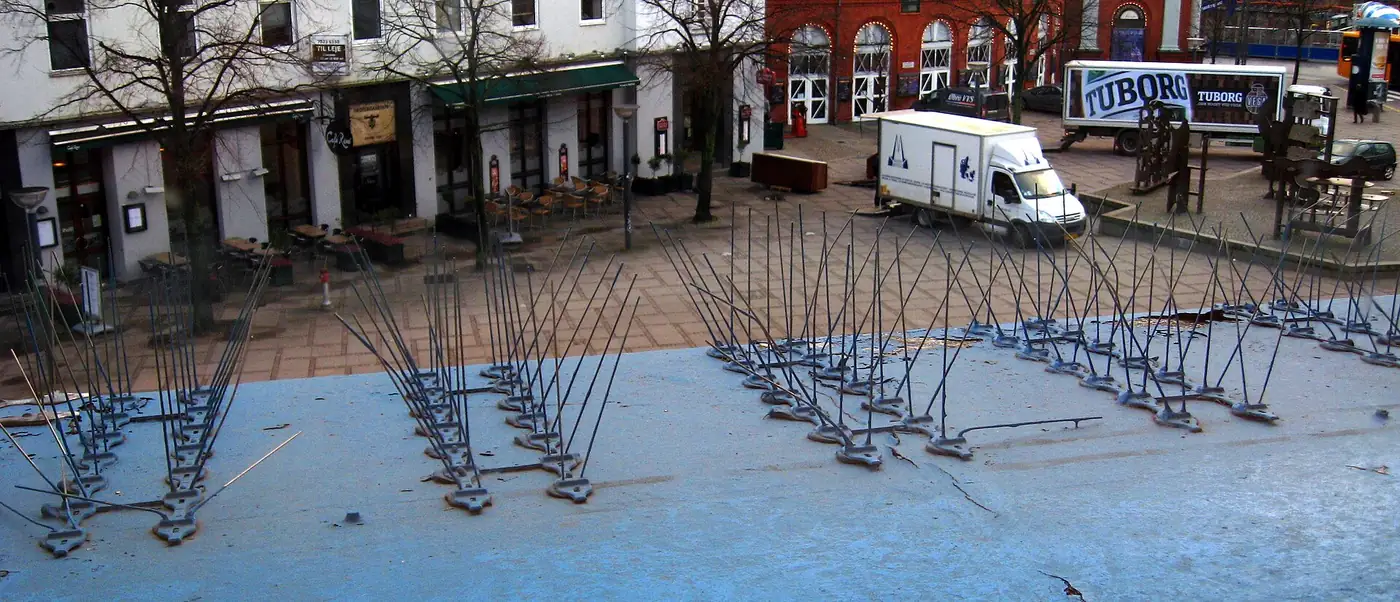
Bird spikes are rows of blunt-tipped rods fixed to a flexible base. They don’t injure birds. They simply make a ledge impossible to land on comfortably, so pigeons move elsewhere.
They work best on narrow, linear surfaces: window sills, ledges, parapets, beams, signage, CCTV cameras, light fittings and gutters. For large open areas or gull nesting sites, netting or post-and-wire is usually the better answer, and we’ll tell you which suits your building.
What to look for
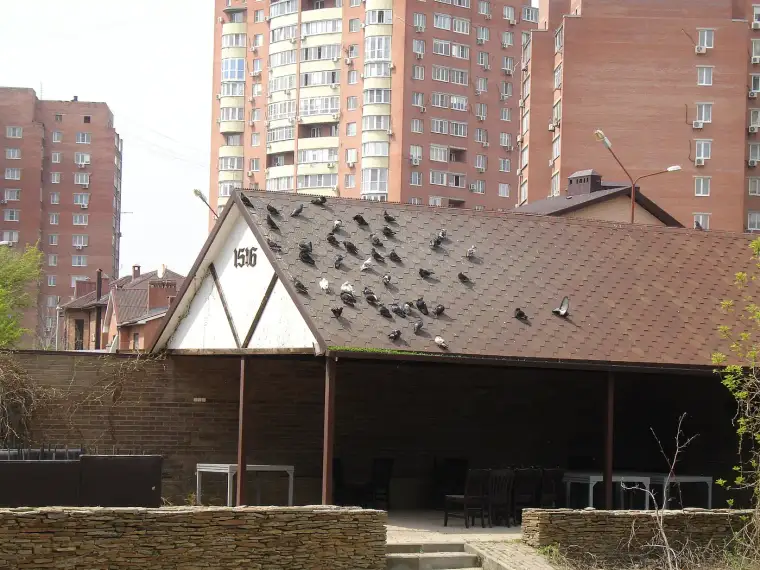
- Pigeons perching on sills, signs, lights or ledges above entrances
- Droppings building up on pavements, cars or windows below
- Fouled shopfront signage and CCTV cameras
- Birds landing on the same parapet or beam every day
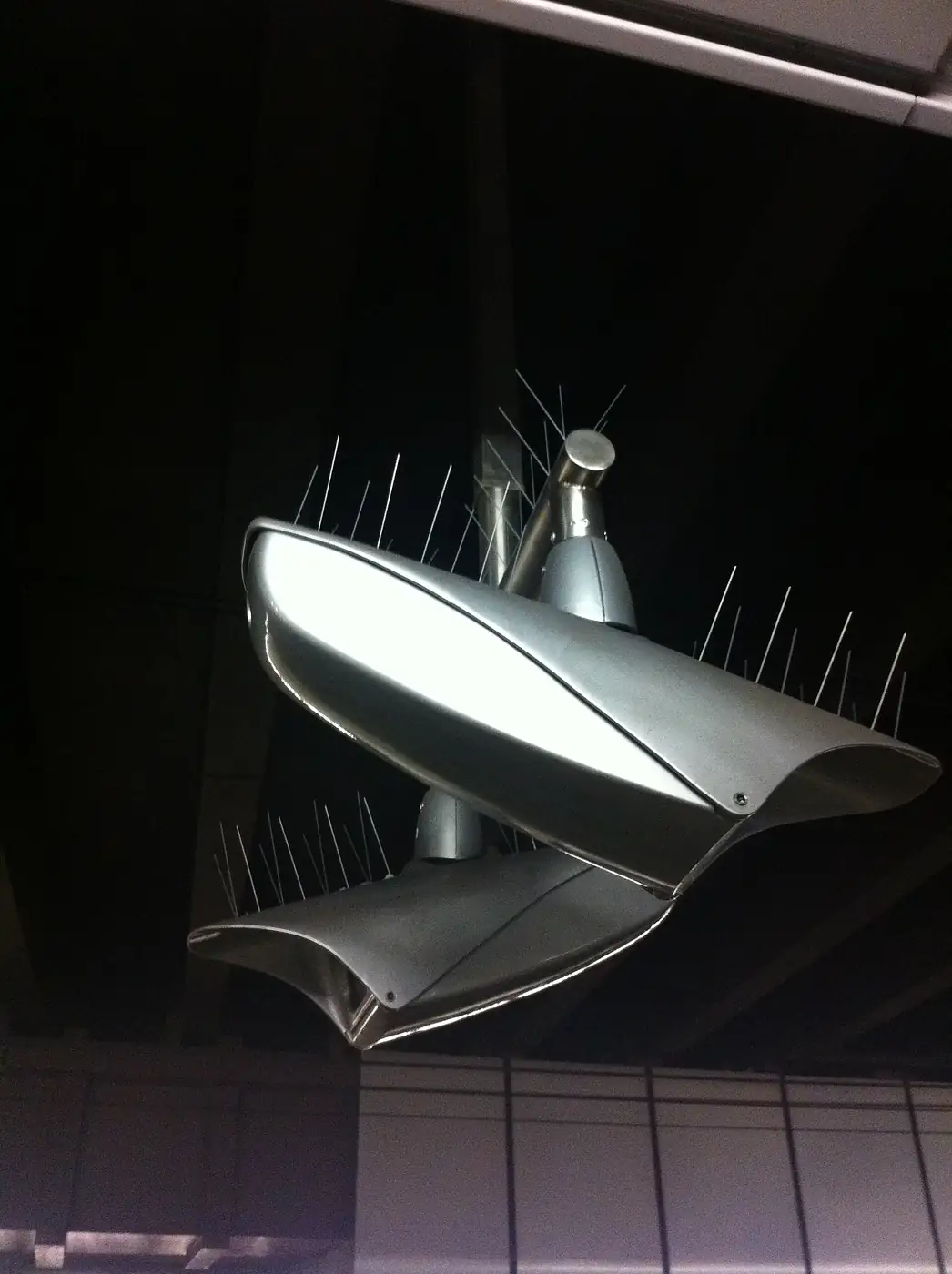
Why DIY spikes often fail
Spikes that are too short, too sparse or fixed over existing droppings simply become a platform for nesting material. Pigeons can and do nest among badly fitted spikes. Coverage must reach the full width of the ledge and every end and gap.
We clean and sanitise the surface first, select the right spike width for the ledge, and bond or fix them securely so they stay put through Irish weather.
How we deal with it
Survey
We identify every perching point, measure ledge widths and check the surfaces and access needed.
Clean
Existing droppings and debris are removed and the surface is sanitised so the spikes bond properly.
Install
Stainless steel or polycarbonate spikes, sized to the ledge width, are fixed with outdoor-grade adhesive or mechanical fixings.
Check
We confirm full coverage with no gaps at ends or corners, and advise on any areas better suited to netting or wire.
Keeping it from coming back
- Fit spikes before pigeons establish a regular roost.
- Keep spiked ledges clear of leaves and debris.
- Combine with netting for recessed areas and with wire for long parapets.
- Don’t feed birds near the building, which undoes any deterrent.