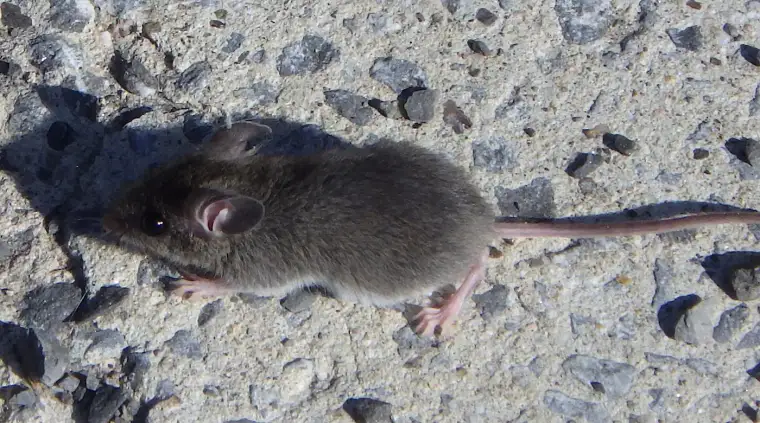
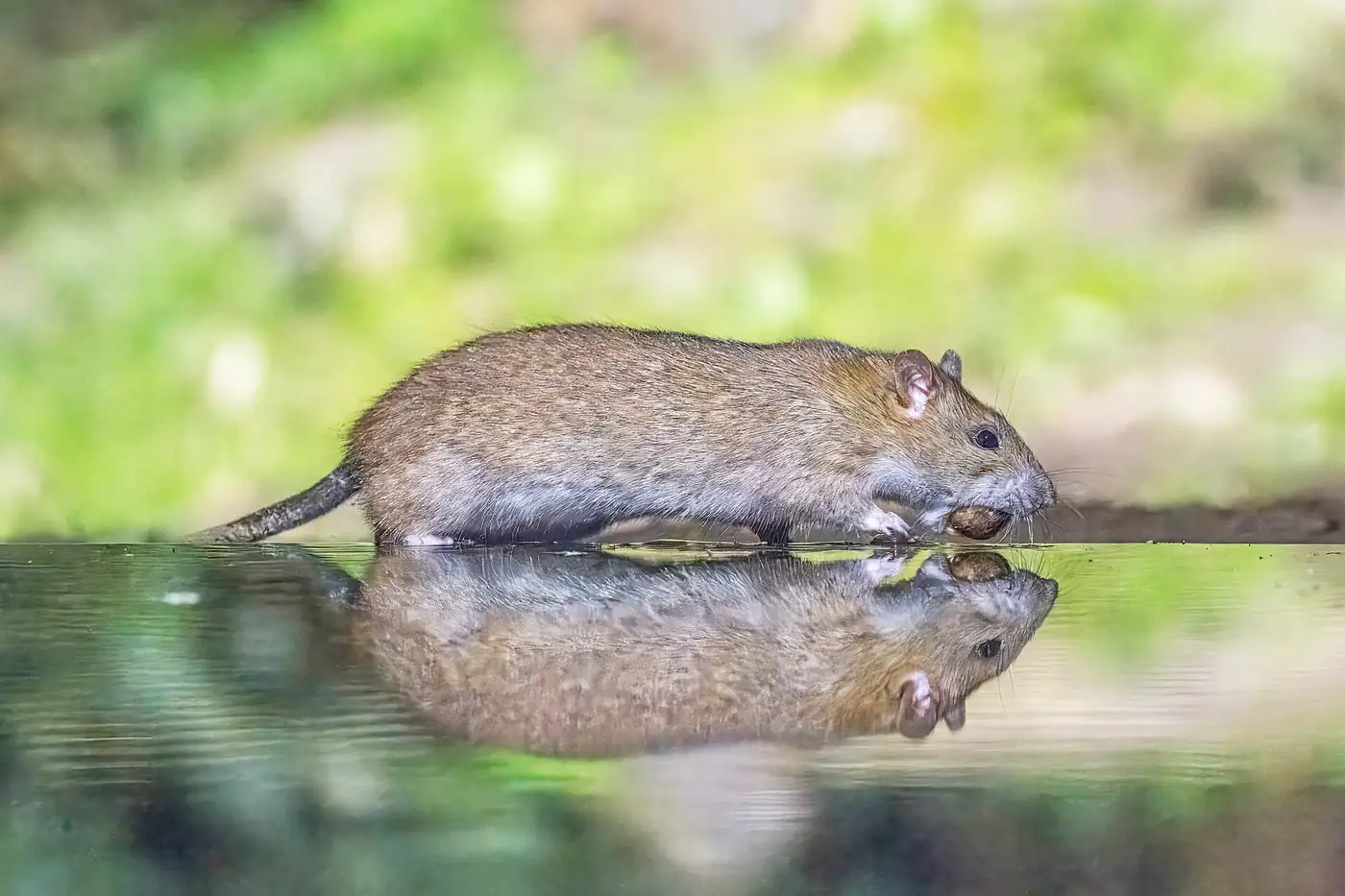
The brown rat (Rattus norvegicus) is the rat you will meet in Ireland. It lives in burrows, drains, sheds, wall cavities and under decking, and it follows food: bird feeders, compost bins, bin stores and commercial kitchens.
A single pair can become dozens of rats within a few months, so the earlier you act, the quicker and cheaper the job. Laying poison on its own rarely ends a rat problem. Lasting control means finding the harbourage, closing the entry points and baiting safely where the rats actually travel.
What to look for
- Dark, capsule-shaped droppings around 10–20 mm long
- Scratching or scurrying in walls, ceilings or under floors, mostly at night
- Gnaw marks on doors, skirting, cables, pipes or food packaging
- Burrows 6–9 cm wide in banks, under sheds, decking or along walls
- Greasy smear marks along regular runs at the base of walls
- Pets suddenly fixated on one spot behind an appliance or panel
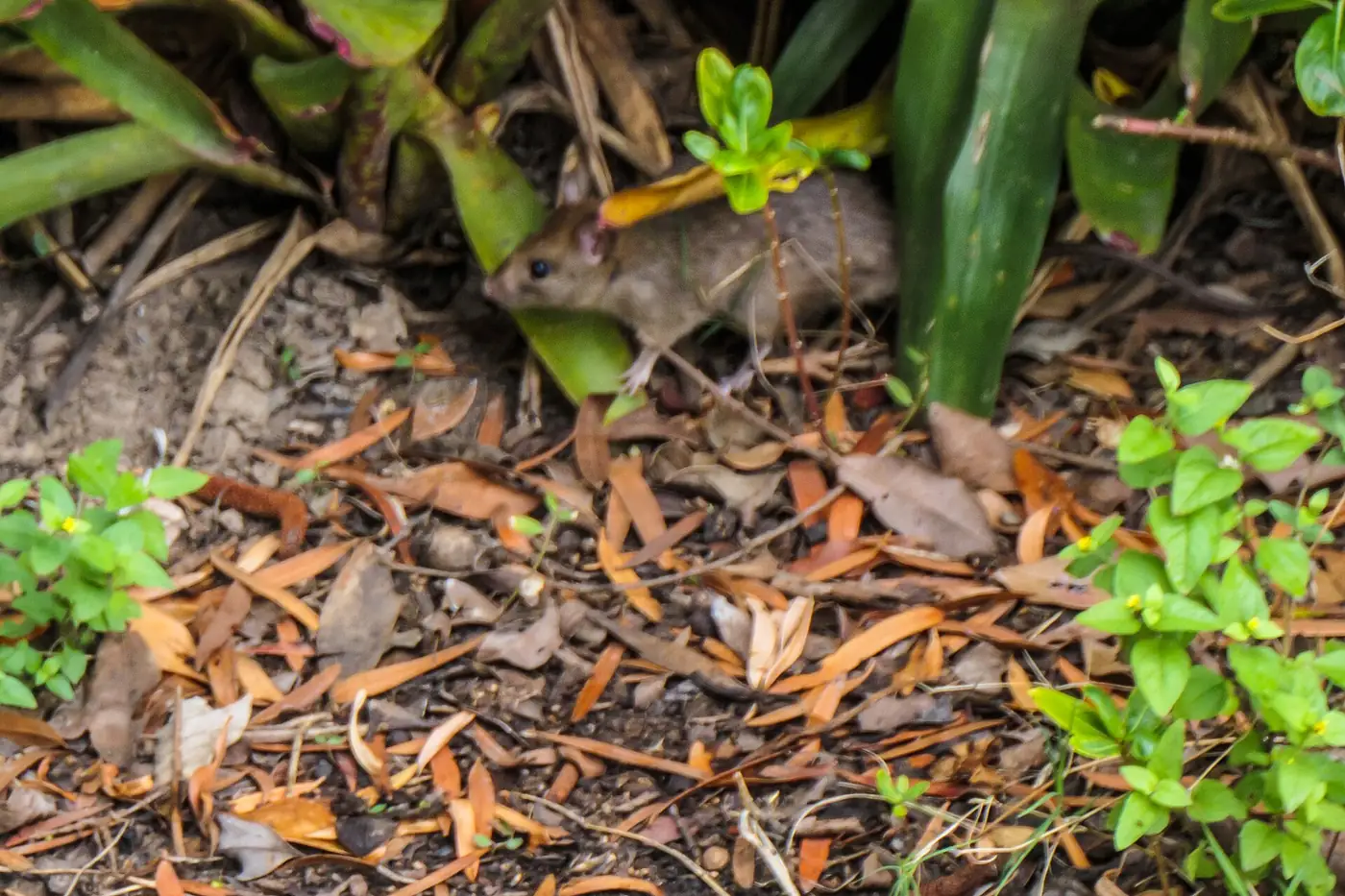
Why rats can’t be left alone
Rats carry leptospirosis (Weil’s disease), salmonella and other bacteria, and they spread them through urine and droppings on worktops, stored food and water. Their teeth never stop growing, so they gnaw constantly. Chewed electrical cables are a recognised cause of house fires.
For food businesses a sighting is a compliance issue as well as a health one. The FSAI expects a documented pest control programme, and an active infestation can close a kitchen.
How we deal with it
Survey
A full inspection inside and out to find runs, burrows, nesting sites and every entry point, including drains and service pipes.
Targeted treatment
Tamper-resistant, lockable bait stations placed on active runs, out of reach of children, pets and wildlife. Traps where poison isn’t appropriate.
Proofing
We seal gaps with steel wool, mesh, brush strips and cement, and can fit drain non-return valves where rats are coming up from the sewer.
Follow-up visits
We return to check bait take, top up or remove stations, and confirm activity has stopped before we sign the job off.
Keeping it from coming back
- Keep bins lidded and bin stores swept; rats feed on spillage.
- Stop feeding birds from the ground and use rat-proof composters.
- Cut back dense vegetation and clutter against the house.
- Check air bricks, vents and pipe entries for gaps wider than 15 mm.