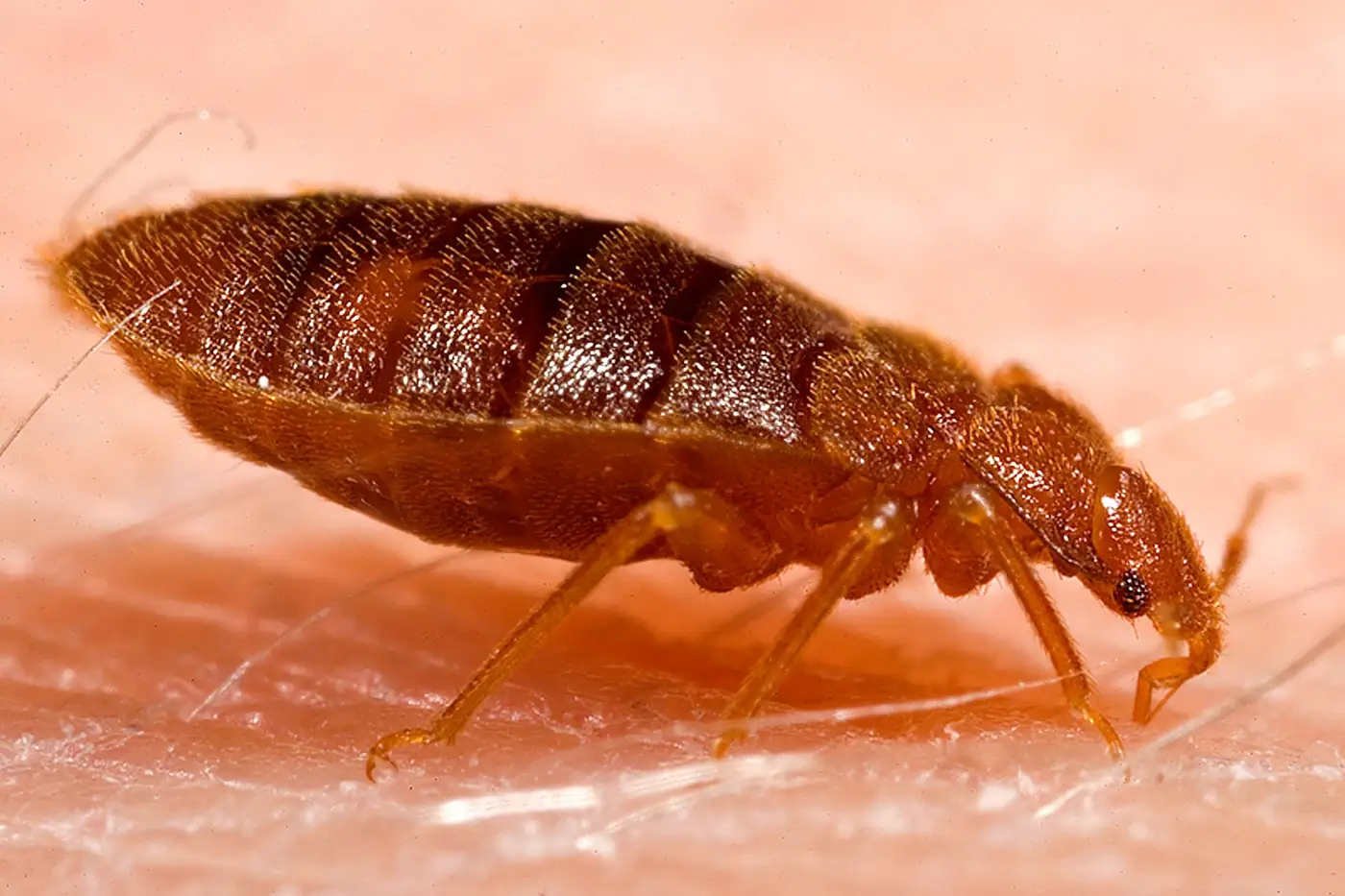
The common bedbug (Cimex lectularius) is a flat, reddish-brown insect about the size of an apple seed. It hides in mattress seams, bed frames, headboards, skirting and plug sockets, and comes out at night to feed.
Bedbugs are excellent hitchhikers. Most infestations start after travel, a hotel stay, second-hand furniture or a visitor’s bag. They are notoriously hard to clear with DIY products, which often just push them into new hiding spots.
What to look for
- Itchy bites in lines or clusters, often on arms, neck and shoulders
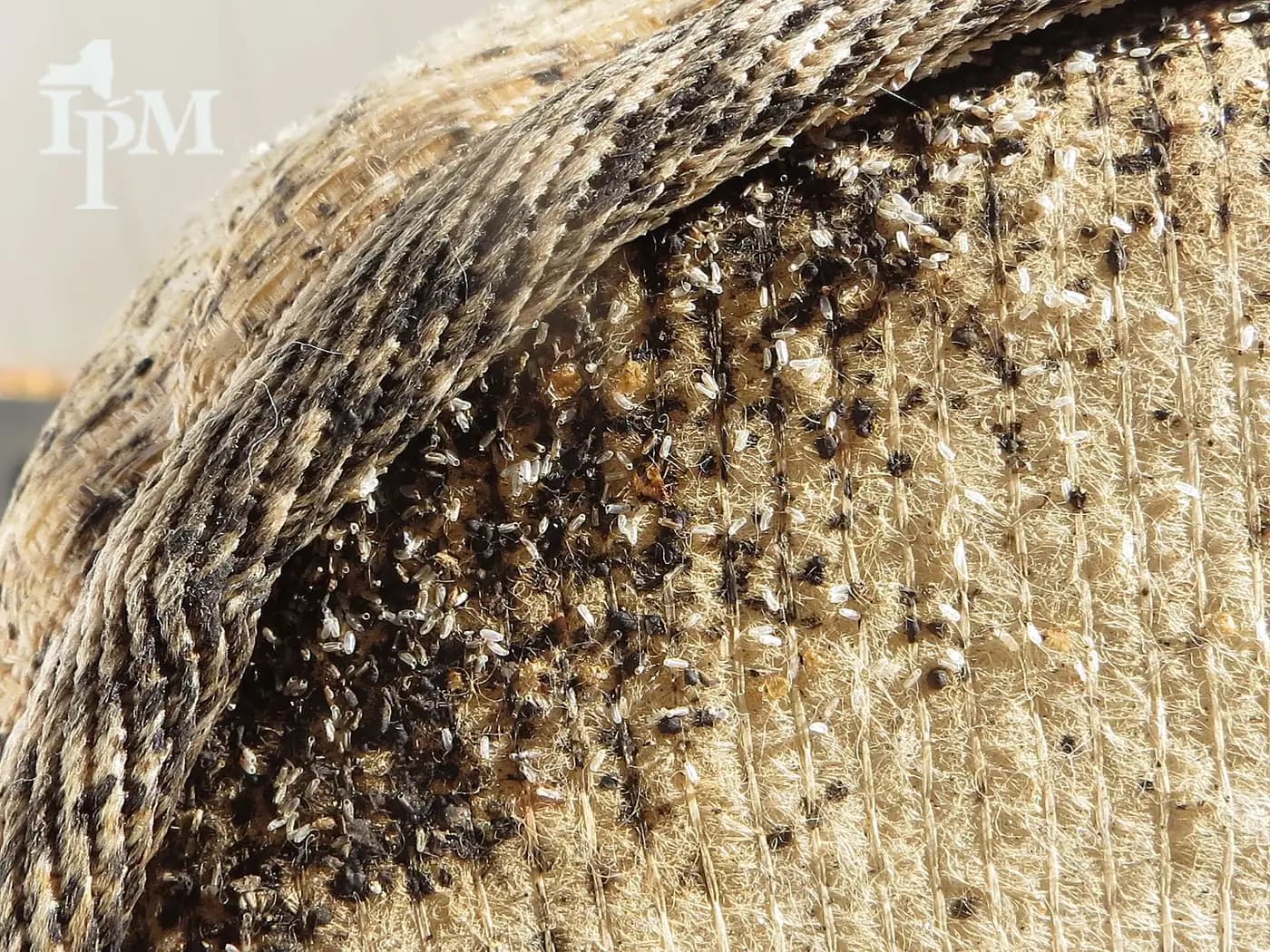
- Small rusty or dark spots on sheets, mattress seams and pillowcases
- Pale shed skins and tiny white eggs in seams and crevices
- Live bugs in mattress piping, bed joints or behind the headboard
- A sweet, musty odour in heavier infestations
Why it pays to get it right first time
Bedbugs don’t transmit disease, but bites can cause strong skin reactions, and the sleeplessness and anxiety they cause are real. Infestations also spread readily between rooms and neighbouring flats.
For hotels, B&Bs and landlords, one bad review or complaint can do lasting harm. We work discreetly in unmarked clothing and can schedule visits around guests.
How we deal with it
Inspection
A detailed check of beds, furniture, skirting and adjoining rooms to confirm bedbugs and map how far they have spread.
Preparation
We give you a clear checklist: bag and hot-wash bedding and clothing at 60°C, declutter around beds and don’t move items to other rooms.
Treatment
Targeted residual insecticide and steam applied to seams, joints, frames and crevices where bedbugs hide.
Follow-up
A second treatment around two weeks later catches newly hatched nymphs. A third visit is added if any activity remains.
Keeping it from coming back
- Check hotel beds and headboards before unpacking, and keep luggage off the floor.
- Hot-wash or tumble-dry clothes on high heat after travelling.
- Inspect second-hand beds, sofas and furniture thoroughly before bringing them home.
- Use zipped mattress encasements to remove hiding places.